
Home / Blogs
How to Turn Your Food Menu into a Powerful Restaurant Marketing Tool
29 Sep 2026
Admin
Most restaurant owners research various recipes, decorate their restaurant and work on their social media pages for weeks. But what about the one thing that all customers study before they order? Your menu. Strange, right? The typical customer takes more than a few minutes to look over a menu before deciding what to eat, but many restaurants regard the menu as just a price list. Then what if your menu could subtly affect your customer's spending habits, point out your top dishes, and help customers perceive the value of your brand without uttering a single word?
That's why the food menu is more important than ever. It's no longer just a list of food items. It's your sales person, your brand voice and one of the most powerful tools you already have. In this blog we are going to look at a few ways to create a smarter menu for a better customer experience and increase your sales while keeping your entire restaurant marketing strategy simple and easy.
Your Menu Is Quietly Selling More Than Food
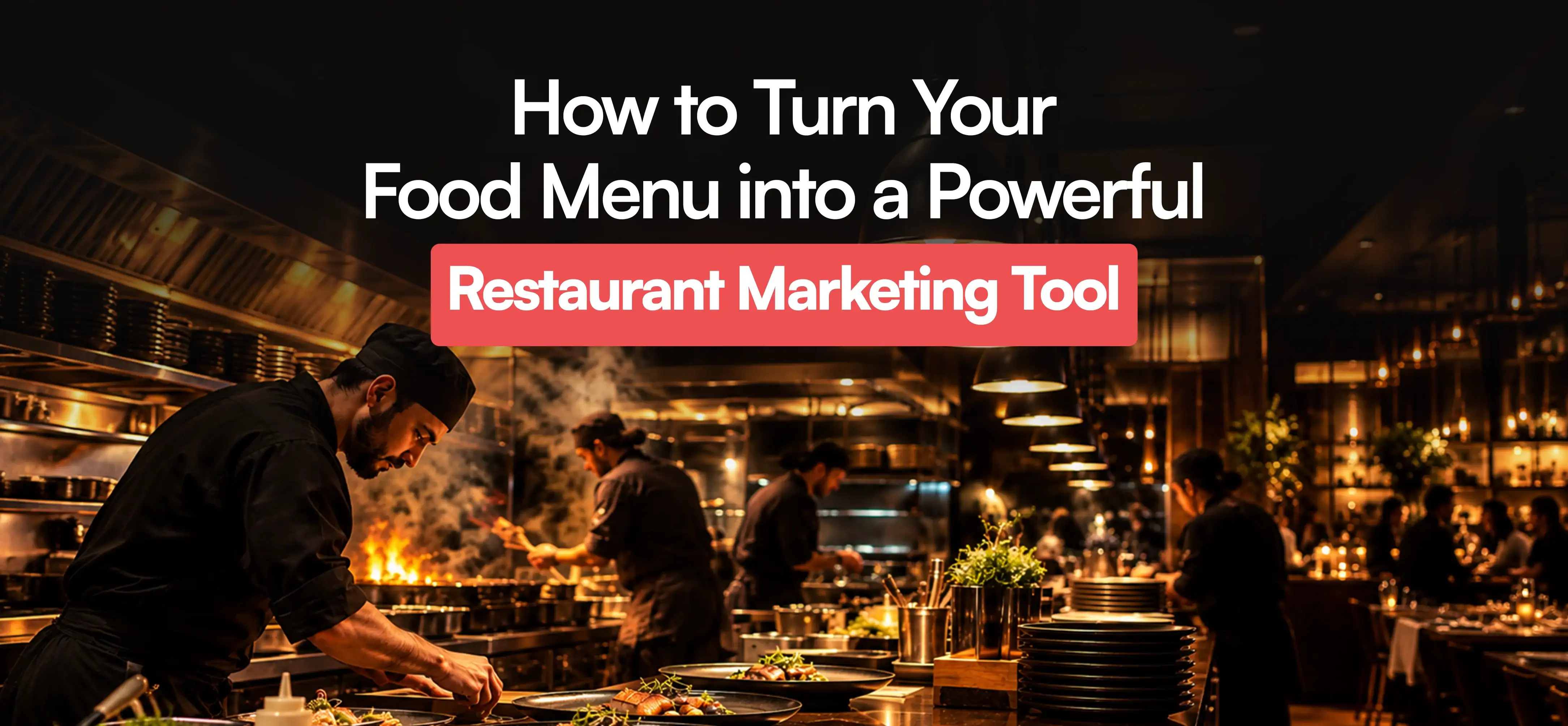
A menu is more than just a list of food and the cost of food. Once customers crack open it, they begin to make judgments about your restaurant. The layout, text, presentation and spacing can make all the difference for visitors without them realizing it and so can the way dishes are presented. When you are served a cluttered menu, you feel stressed and confused, but when you get a clean and well organized menu, you feel like you enjoy eating what is being served.
Why Menu Psychology Matters
A great deal is involved in this with psychology. It is natural that customers will go to some sections first. They also don't read each item carefully as it can cause decision fatigue since there are too many options to choose from. The reason why smart restaurants are able to provide focus rather than information overload. A carefully designed food menu can make the choices easier and usually steers customers towards the higher revenue items automatically.
Turning Your Menu Into a Silent Salesperson
Most of all, your menu is a full-time marketing tool. In a passive menu, the menu items just list meals. An active one stimulates the customer to discover, upgrade and spend more and enhances the dining experience. This slight margin can have an enormous effect on customer satisfaction and also average order value.
Your Menu Reflects Your Brand
Your menu is a reflection of your restaurant identity as well. Your descriptions of dishes, the images you include and even the kind of font you choose should fit your brand's personality. A high-quality steakhouse restaurant menu should not be frivolous and casual. A trendy café doesn't want to look cold and business-like. Consistency is created by strong branding; Customer trust is established through consistency.
Small Menu Tweaks That Influence Bigger Orders
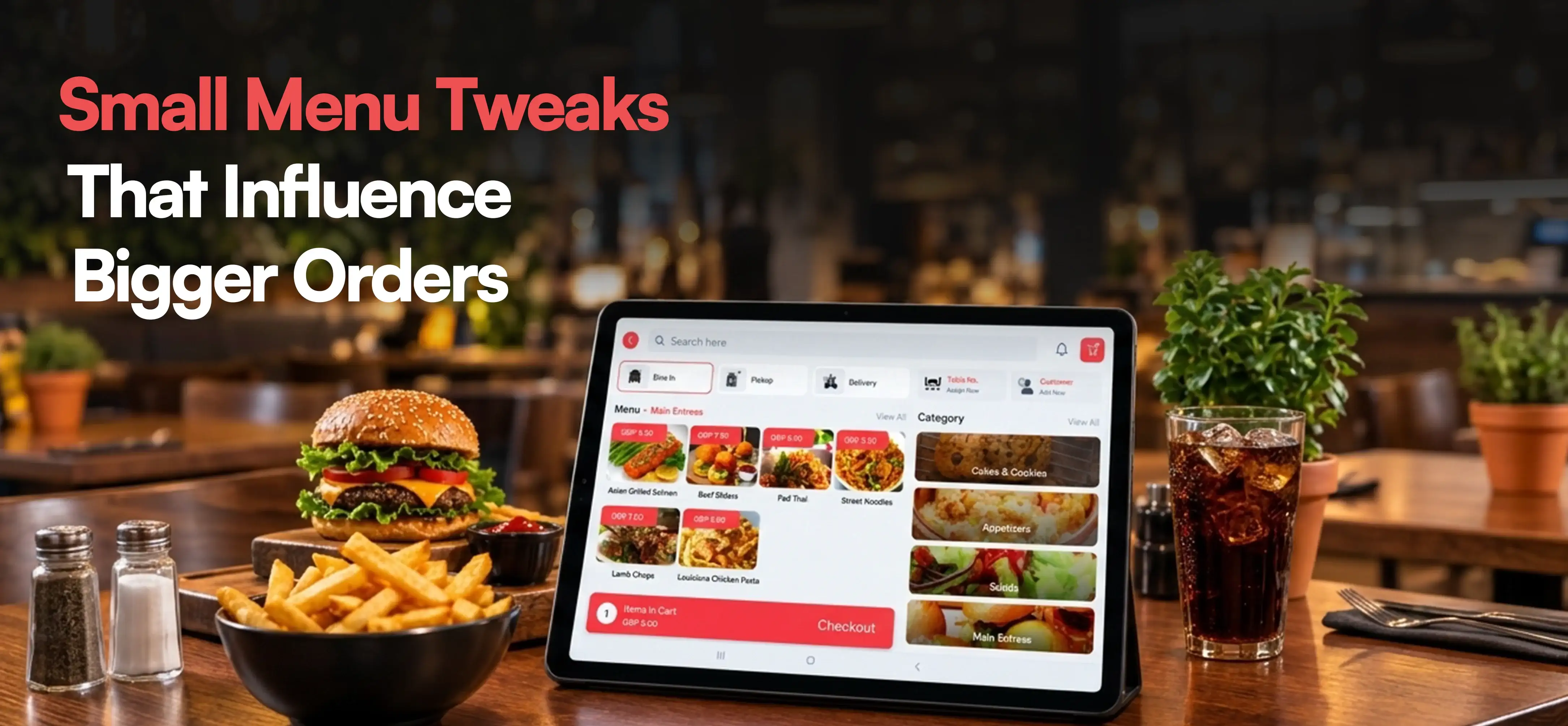
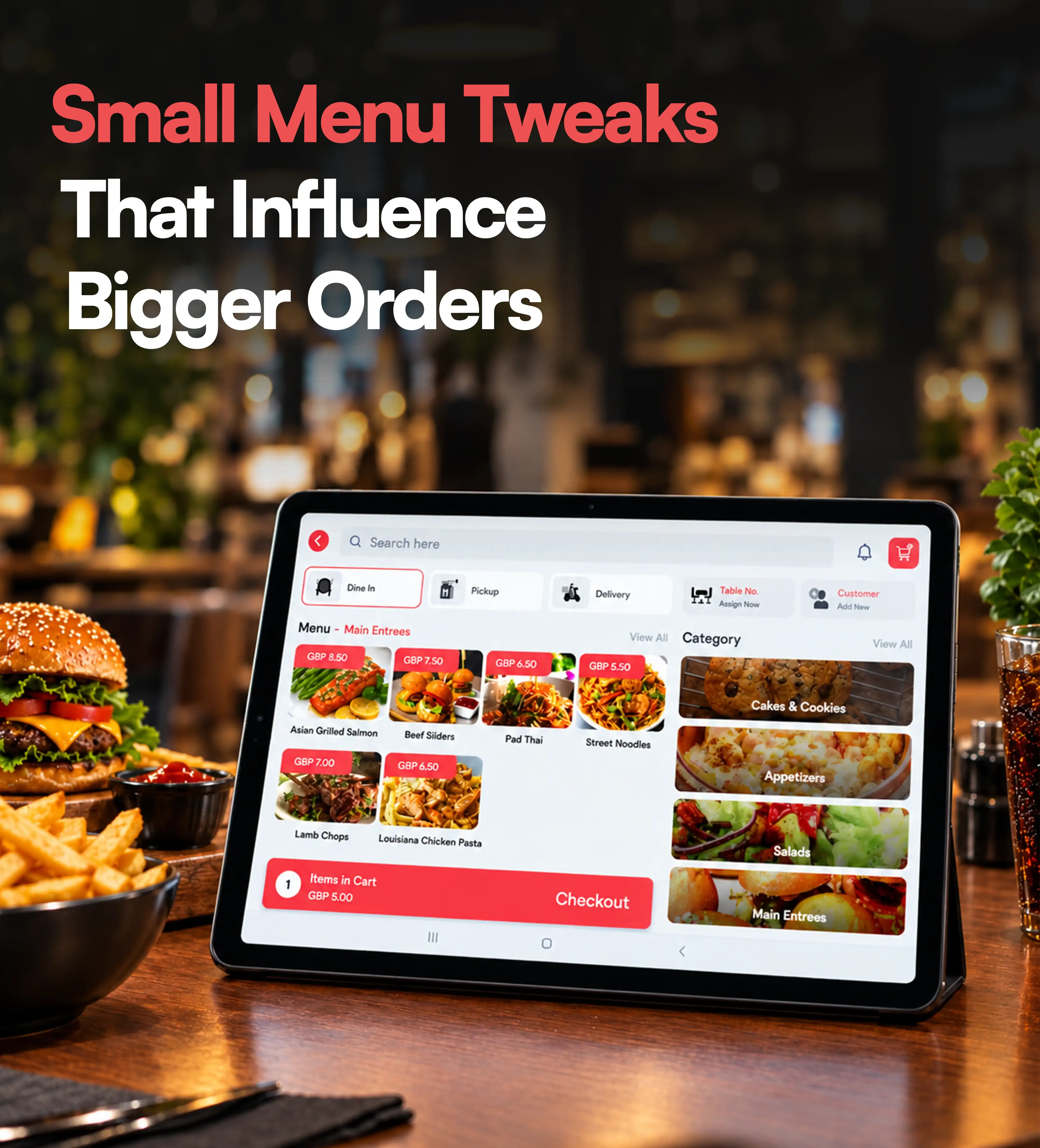
Most diners do not read menus from top to bottom. Their eyes naturally move toward certain areas first. This is known as the “Golden Triangle” in menu psychology. Usually, customers look at the centre first, then the top corners, before scanning the rest. Restaurants that understand this place high-profit or signature dishes exactly where attention is strongest.
The reason this approach works is that people tend to make instant choices. If your best dishes are at the bottom of the crowded sections they don't show up. However, if they are put up in strategic locations with appropriate spacing and eye-catching explanations, they are sure to catch the eye. Most restaurant owners are not aware that placing can have a greater impact on ordering behaviour than they realise.
Words That Make Customers Hungry
Language also matters more than people think. Customers do not just buy food. They buy emotions, experiences, and expectations. A dish described as “slow-roasted garlic butter chicken with fresh herbs” feels far more appealing than simply writing “roast chicken.” Sensory wording creates stronger cravings and increases perceived value without changing the actual recipe.
Smart Pricing Changes Perception
Another crucial aspect that's not commonly considered is pricing psychology. There are plenty of restaurants these days that get rid of the currency symbol so as to not remind people of the price of the meals. Some restaurants offer charm pricing such as £9.95 or clean round pricing for a more premium way of pricing. It can be both approaches depending on who is your target audience.
The Power of the “Middle Option”
Another clever technique is price anchoring. When a premium item appears next to a mid-priced dish, the mid-priced option suddenly feels more reasonable. Customers often choose what feels like the “smart middle option,” which can increase profits naturally. This is where your menu stops being a simple list and starts becoming a true marketing tool.
Design Choices That Shape Customer Decisions
Customers' perception of your restaurant is greatly influenced by visual design before your food even makes it to them. Emotional reactions are made by colours, fonts, space and images. When it comes to food, warm hues tend to stimulate hunger, and a sparse design exudes a more refined appearance.
Typography Matters More Than You Think
Typography also affects perception. Beware of using fancy fonts too often, as they may affect readability. Generally, simple and elegant typography works well, as customers prefer to quickly scan their food and drink options on the menu. Good design should be able to direct customers' focus but not force them to think too hard.
Should You Use Food Photography?
Photos can also be tricky. In fast-food environments, food photography often increases sales because customers expect visual guidance. But in premium dining, too many pictures can make menus feel cheap or cluttered. Many UK restaurants now prefer clean minimalist menu designs because they feel more modern and sophisticated.
Your Digital Menu Is Part of Your Brand
Digital presentation matters just as much now. Customers view menus through websites, Google listings, delivery apps, and QR codes before ever stepping inside a restaurant. That means your menu is now an online marketing tool as well. If your digital menu looks outdated, difficult to navigate, or poorly written, customers may leave before placing an order.
Restaurants are more likely to be found on local searches when they have SEO-friendly descriptions of their dishes. For instance, adding terms such as “wood-fired pizza in London” or “vegan brunch in Manchester” makes it easier to find online. Contemporary menus are not just found in restaurants anymore! They are now a part of your digital visibility strategy as well.
Menus That Upsell Without Feeling Pushy
Great menus help to subtly persuade customers to spend more and enhance their experience. Boxing certain signature dishes or icons or recommending them by chefs will naturally draw attention to higher-margin products. When customers need to make an instant decision, they will rely on visual cues.
The smartest part? Your menu begins to “upsell” before you even say a word. It can be used automatically to lead customers to profitable combinations, when designed properly. This will lessen the strain on staff and create uniformity in customer spending.
Why Combo Deals Work So Well
Bundles and combo offers are another effective strategy. Customers love feeling like they are getting better value. Pairing burgers with sides and drinks or offering sharing platters increases basket size without feeling aggressive. In UK casual dining especially, bundles work extremely well because customers prefer convenience and simplicity.
Limited time offers are also creating urgency. Seasonal menus, holiday menus, or short-term menu items can make for repeat visits as well since customers don't want to miss out. These special dishes make for great social media, email newsletter, and post content ideas as well.
Restaurants that regularly refresh menu highlights stay more exciting in customers’ minds. Even small updates create curiosity and give people reasons to return more often.
Why Digital Menus Are Becoming Essential
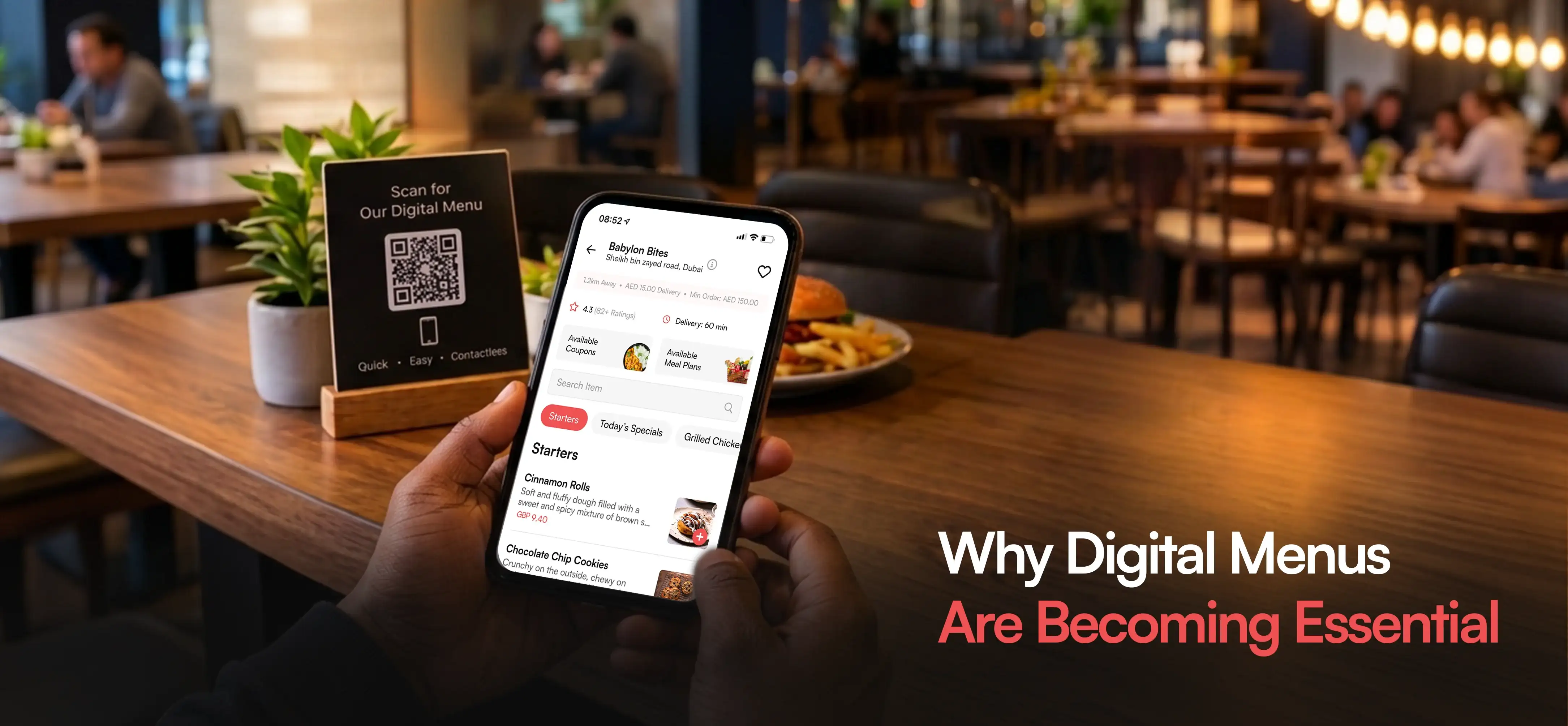
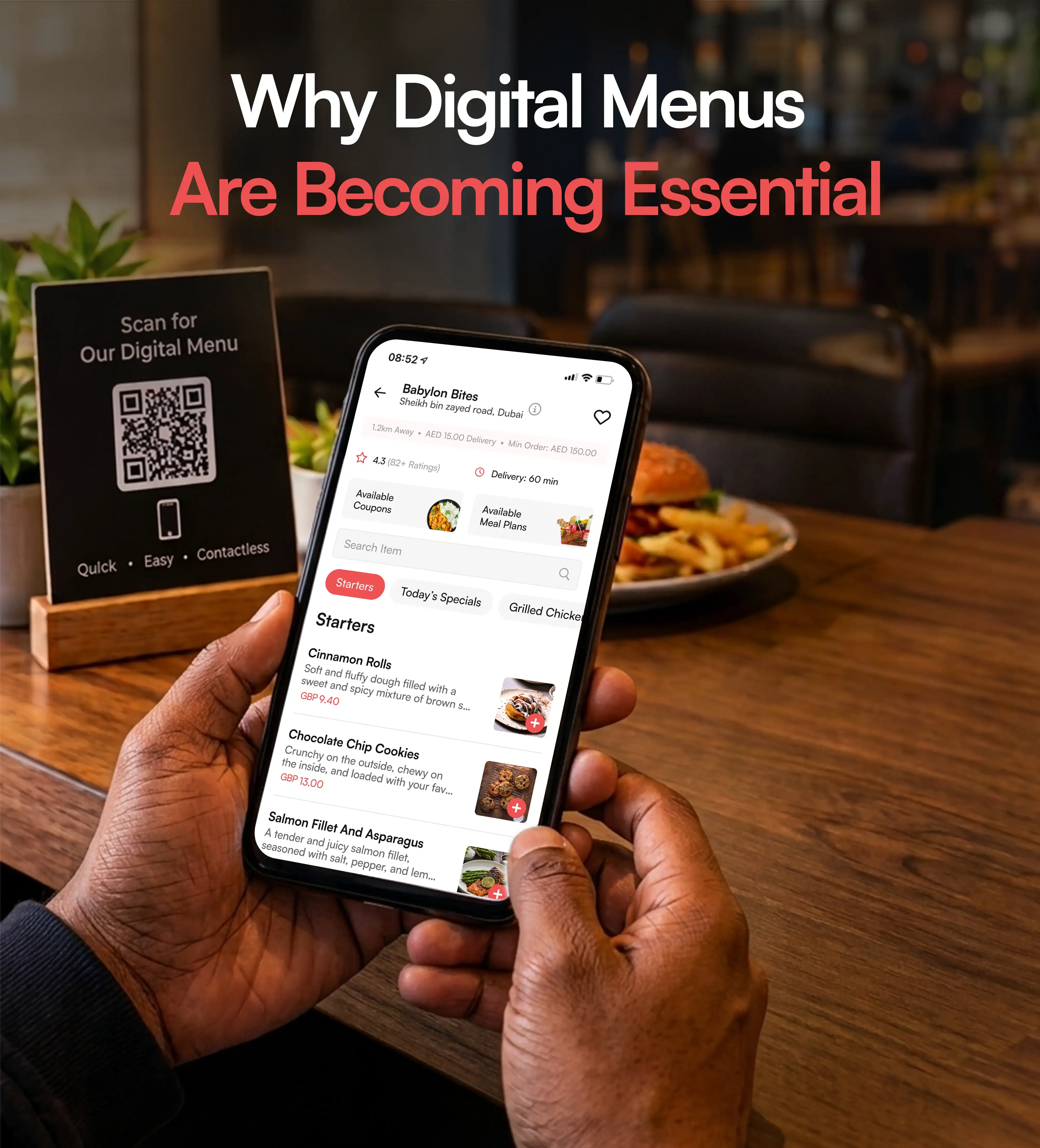
Digital menus are no longer just a trend. They are becoming part of everyday dining. QR menus save printing costs, allow instant updates, and support eco-friendly operations, which many UK customers now appreciate.
More importantly, digital systems give restaurants valuable customer insights. When connected to POS systems, restaurants can track best-selling dishes, ordering trends, and customer preferences in real time. These insights help restaurants make smarter restaurant marketing decisions based on actual customer behaviour instead of guesswork.
Live menu updates are yet another big benefit. Restaurants need not reprint anything to feature daily specials, remove sold-out items or highlight new dishes. This allows menus to be varied and keeps operations streamlined.
The possibilities with digital menu content ideas are endless, too. A new recipe debut can turn into an Instagram Reel! TikTok content can be created from behind-the-scenes prep videos. You can transform Chef Specials into email campaigns. Suddenly, your menu is not just an order system, it's a constant source of stimulating content.
Your Menu Can Fuel Your Entire Content Strategy
Every dish on your menu has a story behind it. Ingredients, preparation methods, seasonal specials, and chef inspirations can all become engaging social media content. Restaurants often struggle with what to post online, but the answer is usually already sitting inside their menu.
A simple pasta dish can become a behind the scenes kitchen video! Locally sourced ingredients can be a supplier spotlight. A festive dessert can be a component of a holiday marketing strategy. These little bits of storytelling moments make restaurants sound more relatable and memorable.
The launch of the new menu is also a natural cause for excitement online. If you post “new menu dropping this Friday” posts, customers will love to see these and build anticipation. Menu-based campaigns are also a great fit for seasonally-themed events, such as Christmas, summer dining specials, and Valentine's Day.
The best part is that this content already exists inside your business. You simply need to package it creatively.
Conclusion
Your menu is no longer just a list of dishes and prices. It is one of the most important parts of your customer experience and a silent salesperson working every single day. From influencing customer psychology to increasing upsells and improving branding, a smart menu can support your entire restaurant marketing strategy without needing complicated changes.
The smallest fixes can have the greatest effect. It can transform the customer experience in your restaurant with the right words, better layouts, cleaner visuals and digital optimisation. Looking to make the food menu your marketing tool? You can go through one section at a time and see how quickly the customers engage and the average order value starts increasing.